







Onigiri「おにぎり」: The Heart of Japanese Comfort Food
A Simple Food with a Long History
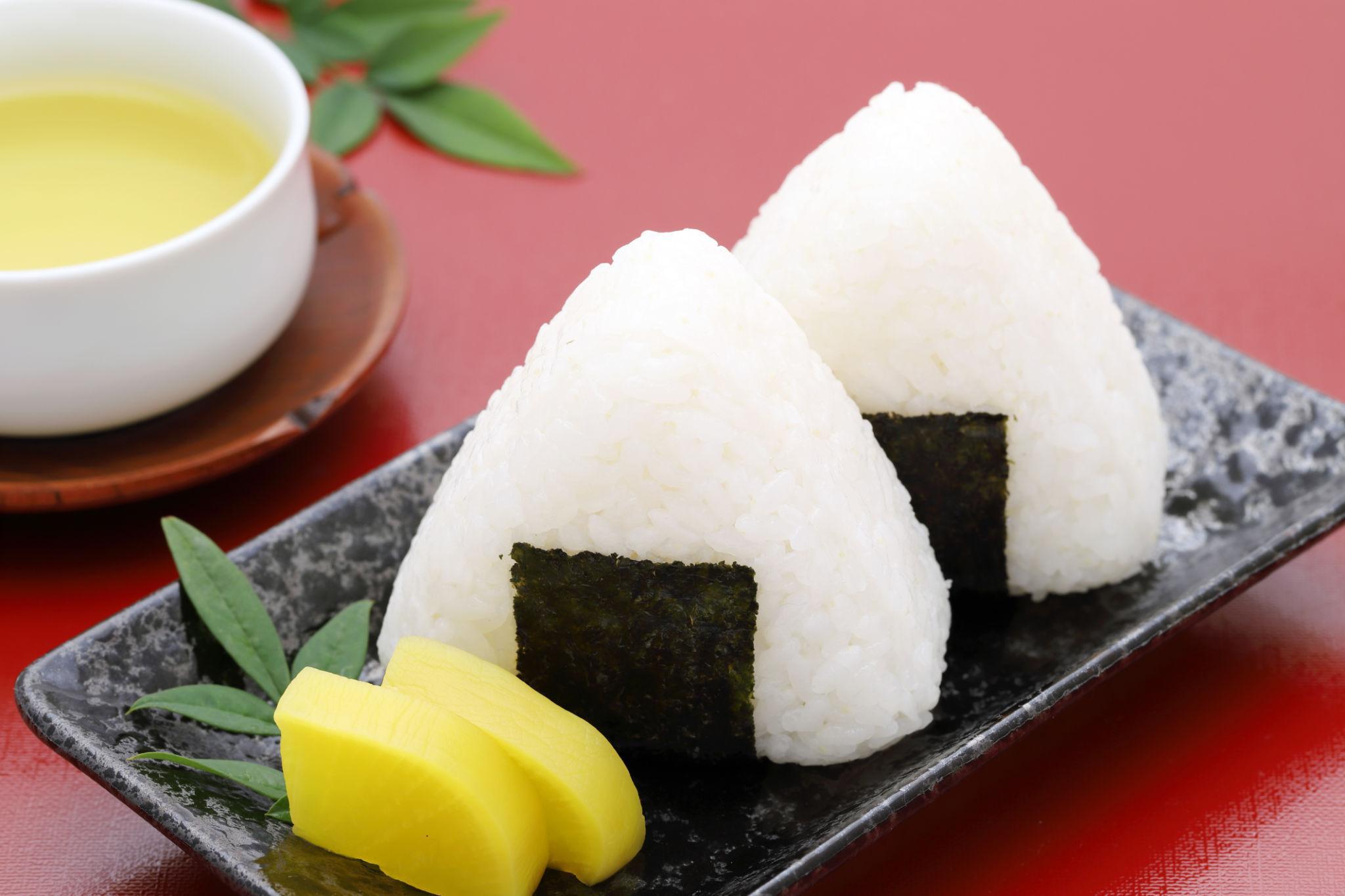
Among Japan's many culinary traditions, few foods are as beloved and familiar as onigiri. Known internationally as "Japanese rice balls," onigiri may appear simple at first glance, but it carries centuries of history, culture, and everyday nostalgia within its modest shape.
Made from steamed Japanese short-grain rice and typically formed into triangles or rounds, onigiri has been a part of Japanese life for more than a thousand years. Long before convenience stores and modern lunchboxes existed, travelers, farmers, and samurai carried rice shaped by hand as a practical, portable meal.
Archaeologists have even discovered rice-ball-like foods dating back to Japan's ancient Heian Period (794-1185). During this era, cooked rice was pressed into compact shapes called tonjiki, making it easier to transport and eat by hand. Over time, this evolved into the onigiri we know today.
The Origins of Onigiri
Rice has always held deep cultural importance in Japan. For centuries, it was more than just food -- it represented prosperity, spirituality, and even political power. Because rice was precious, people developed ways to preserve and carry it efficiently.
Onigiri became especially useful during Japan's feudal era. Samurai warriors carried salted rice balls during military campaigns, while farmers packed them for long workdays in the fields. The salt not only added flavor but also helped preserve the rice before refrigeration existed.
By the Edo Period (1603-1868), onigiri had become common among ordinary people and was often enjoyed during travel, festivals, and picnics beneath cherry blossoms.
What Makes Onigiri Unique?
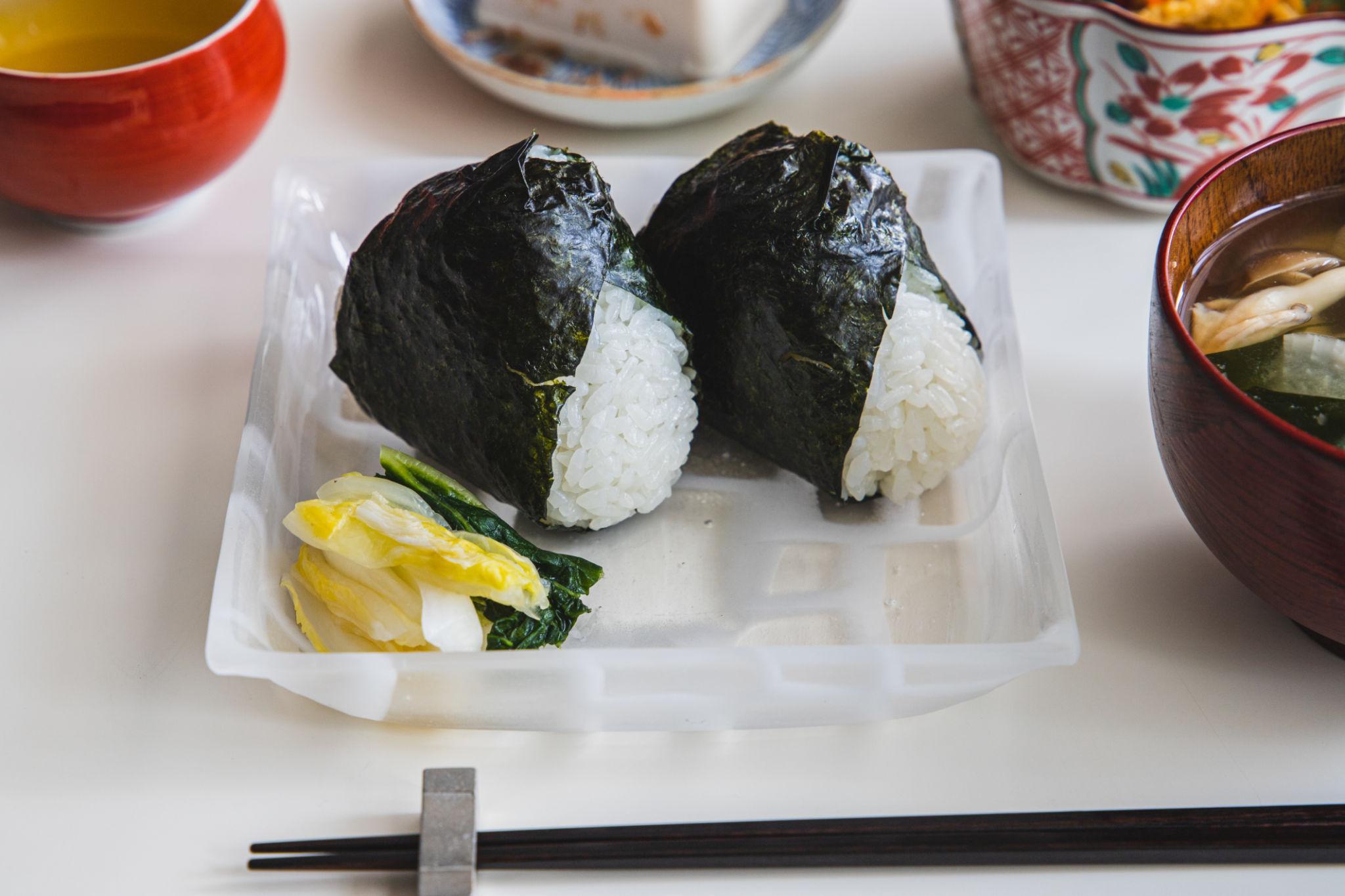
Unlike sushi, onigiri rice is usually not seasoned with vinegar. Instead, the beauty of onigiri comes from the natural flavor and texture of freshly cooked Japanese rice.
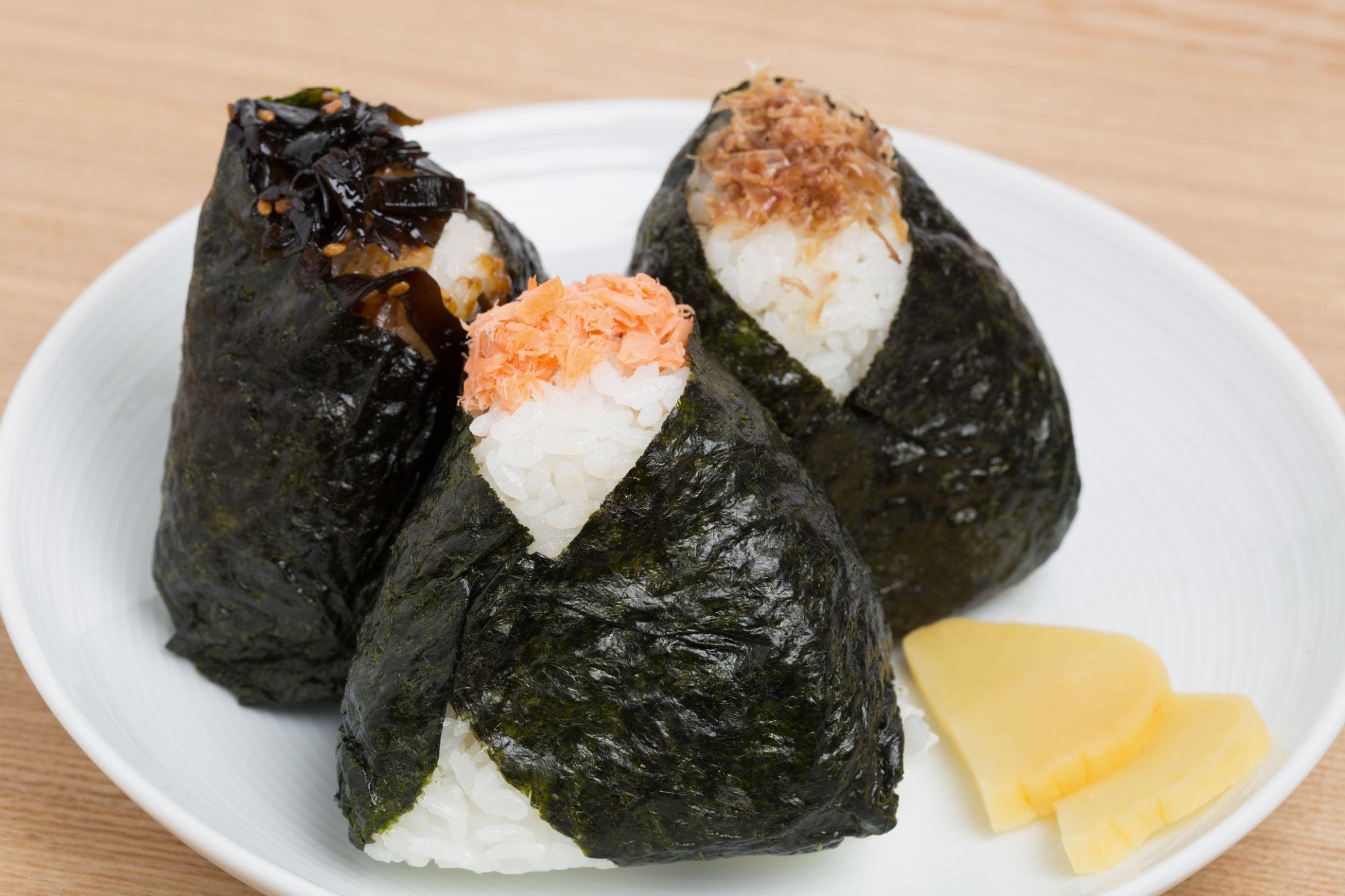
Traditionally, onigiri is lightly salted and filled with savory ingredients such as:
- Salted salmon (shiozake)
- Tuna mayonnaise
- Umeboshi (pickled plum)
- Kombu seaweed
- Bonito flakes with soy sauce
- Cod roe (mentaiko)
Many onigiri are wrapped in nori, a dried seaweed sheet that adds aroma and crispness.
Its triangular shape is also symbolic. Some historians believe early Japanese people associated mountain-like triangles with spiritual protection and good fortune.
Onigiri in Modern Japan
Today, onigiri remains one of Japan's most popular everyday foods. You can find it almost everywhere:
- Convenience stores (konbini)
- Train stations
- Specialty onigiri shops
- Bento lunch boxes
- Supermarkets
- Family kitchens
Modern convenience stores have transformed onigiri into a national fast food. Millions are sold every day across Japan, with innovative packaging designed to keep the seaweed crisp until the moment you open it.
Yet despite these modern changes, homemade onigiri still holds emotional meaning for many Japanese people. A hand-shaped rice ball prepared by a parent or grandparent often symbolizes warmth, care, and family love.
Regional Varieties Across Japan
One fascinating aspect of onigiri is its regional diversity. Different areas of Japan use local ingredients and unique cooking traditions.
Examples include:
- In Hokkaido: salmon and fish roe fillings
- In Okinawa: pork and egg combinations inspired by local cuisine
- In Nagoya: shrimp tempura onigiri
- In Kyushu: spicy cod roe varieties
Some regions even grill onigiri over charcoal and brush them with soy sauce, creating yaki onigiri, a crispy and aromatic variation.
Why Visitors Fall in Love with Onigiri
For many international travelers, onigiri becomes an unexpected highlight of visiting Japan. It offers something increasingly rare in modern food culture: simplicity done perfectly.
People love onigiri because it is:
- Affordable
- Healthy and filling
- Easy to carry
- Available 24 hours a day
- Full of authentic Japanese flavor
Even a simple convenience-store onigiri can reveal Japan's remarkable attention to detail, from rice quality to packaging design.
More Than Food: A Cultural Symbol
Onigiri is more than a snack or quick meal. It reflects core Japanese values:
- Respect for ingredients
- Simplicity and balance
- Seasonal awareness
- Hospitality and care
In anime, films, and literature, onigiri often appears as a symbol of home, comfort, and emotional connection. A homemade rice ball can express affection more powerfully than elaborate cuisine.
For this reason, many Japanese people see onigiri not merely as food, but as part of their cultural identity.
A Must-Try Experience in Japan
If you visit Japan, trying freshly made onigiri is essential. Whether purchased from a tiny countryside shop, a busy Tokyo convenience store, or prepared by a local family, each onigiri tells a story about Japanese history and daily life.
Simple, humble, and deeply comforting -- onigiri is the taste of Japan itself.
↓Song 「Onigiri」By SUSHIBOYS ↓
https://youtu.be/GZPaCTbv3pA?si=B_nFFLSzlj-o3ycH