







Dec 22. 2025Topics
New Year's Eve and New Year in Japan
In Japan, New Year's Eve (December 31) and New Year's Day (January 1) are among the most important cultural events of the year. For many foreign residents, this period may feel surprisingly quiet--but understanding the traditions helps reveal the beauty behind it.
■ New Year's Eve (Ōmisoka おおみそか)
New Year's Eve in Japan is a time to reflect on the past year and prepare for a fresh start.
Common traditions
-
Year-end cleaning (Ōsōji 大掃除)
Homes and workplaces are thoroughly cleaned to clear away bad luck.

-
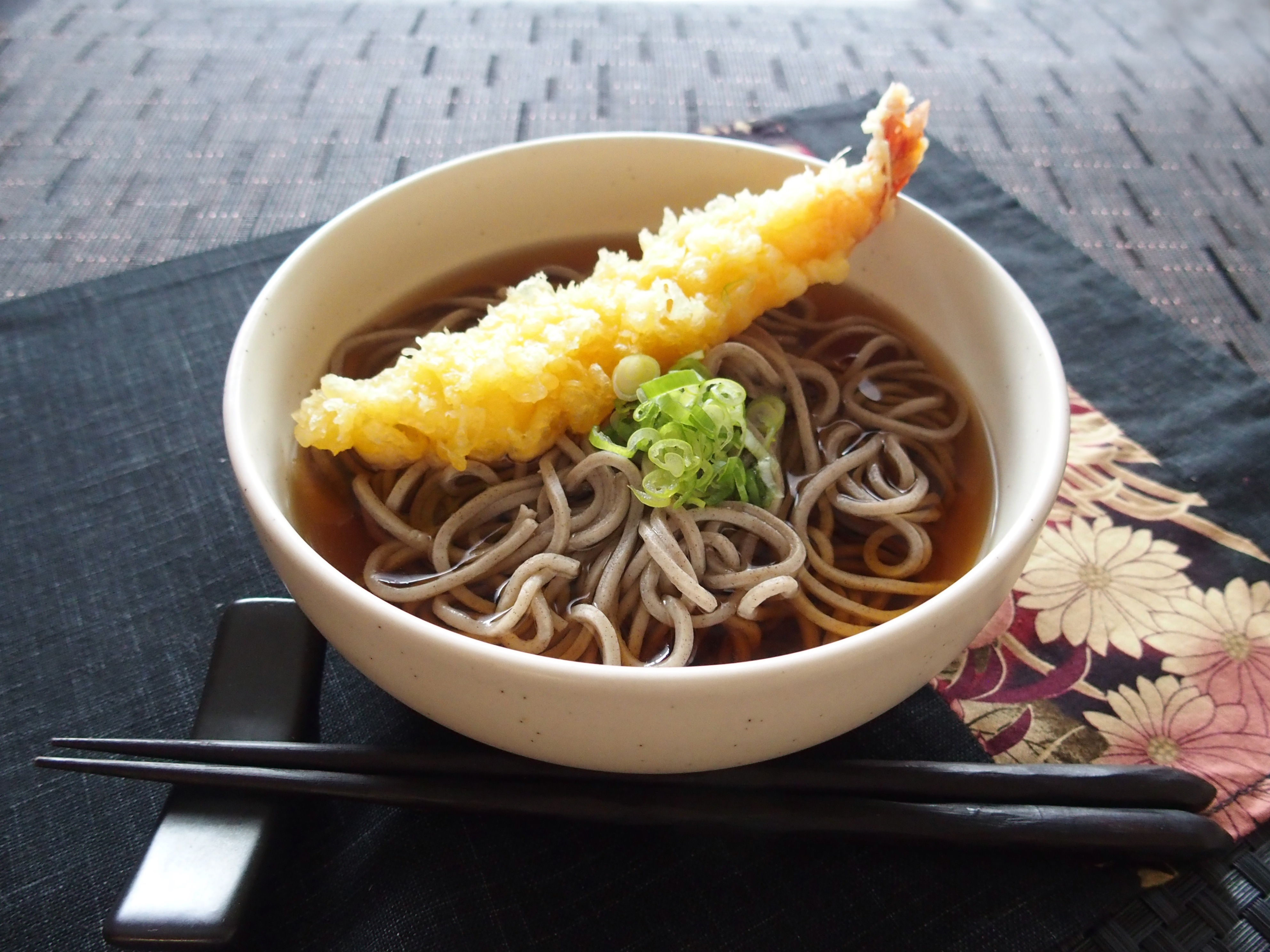
Toshikoshi soba
Thin buckwheat noodles eaten at night symbolize longevity and letting go of hardships.
-
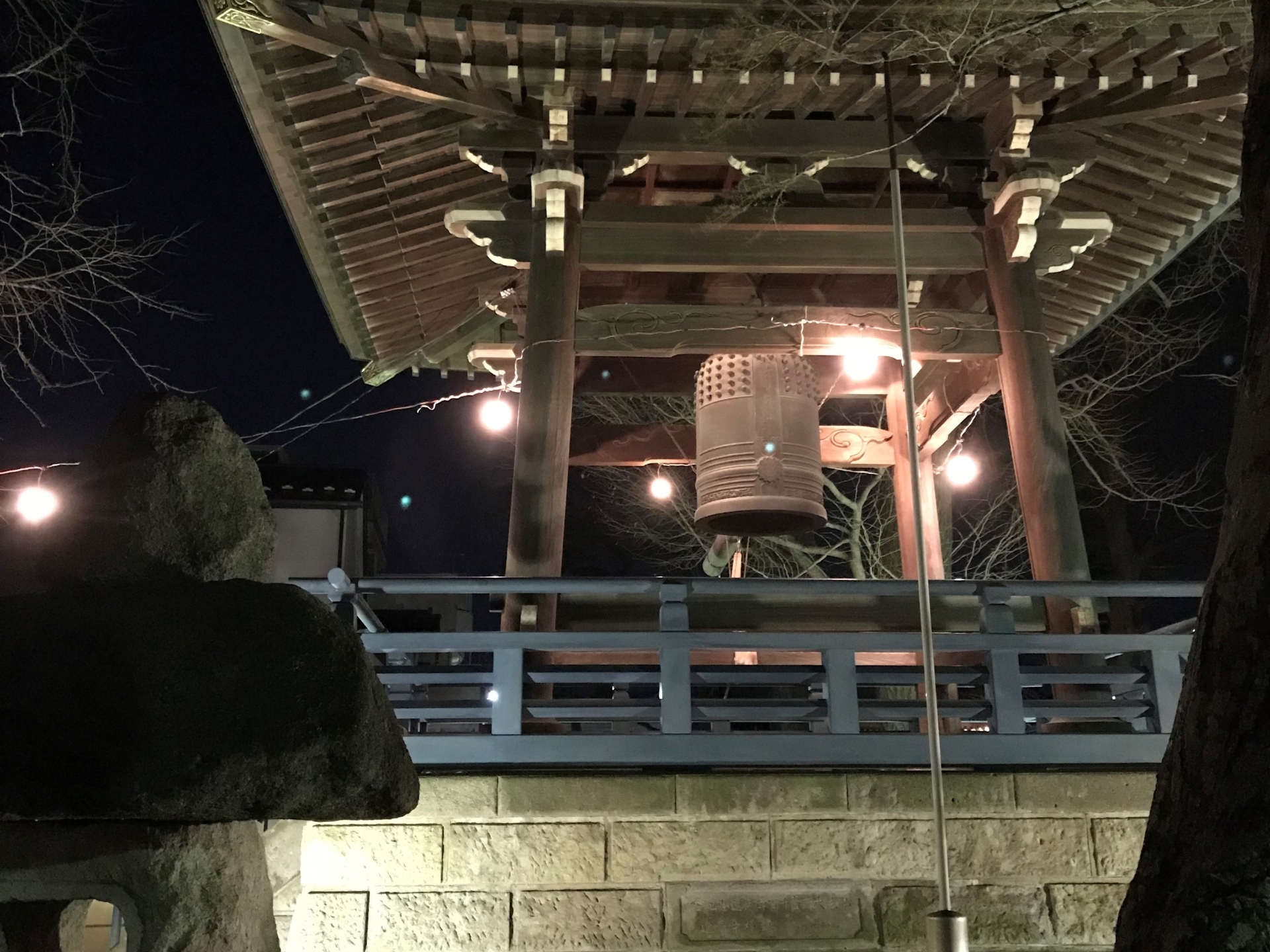
Joya no Kane (Temple Bells)
Buddhist temples ring bells 108 times at midnight, representing human desires.
How to enjoy it
-
Visit a local temple to hear the bells
-
Try traditional soba at home or a restaurant
-
Watch Japanese year-end TV programs
■ New Year in Japan
New Year is a time to wish for health, happiness, and success.
Many businesses close, and the country slows down.
Common traditions
-
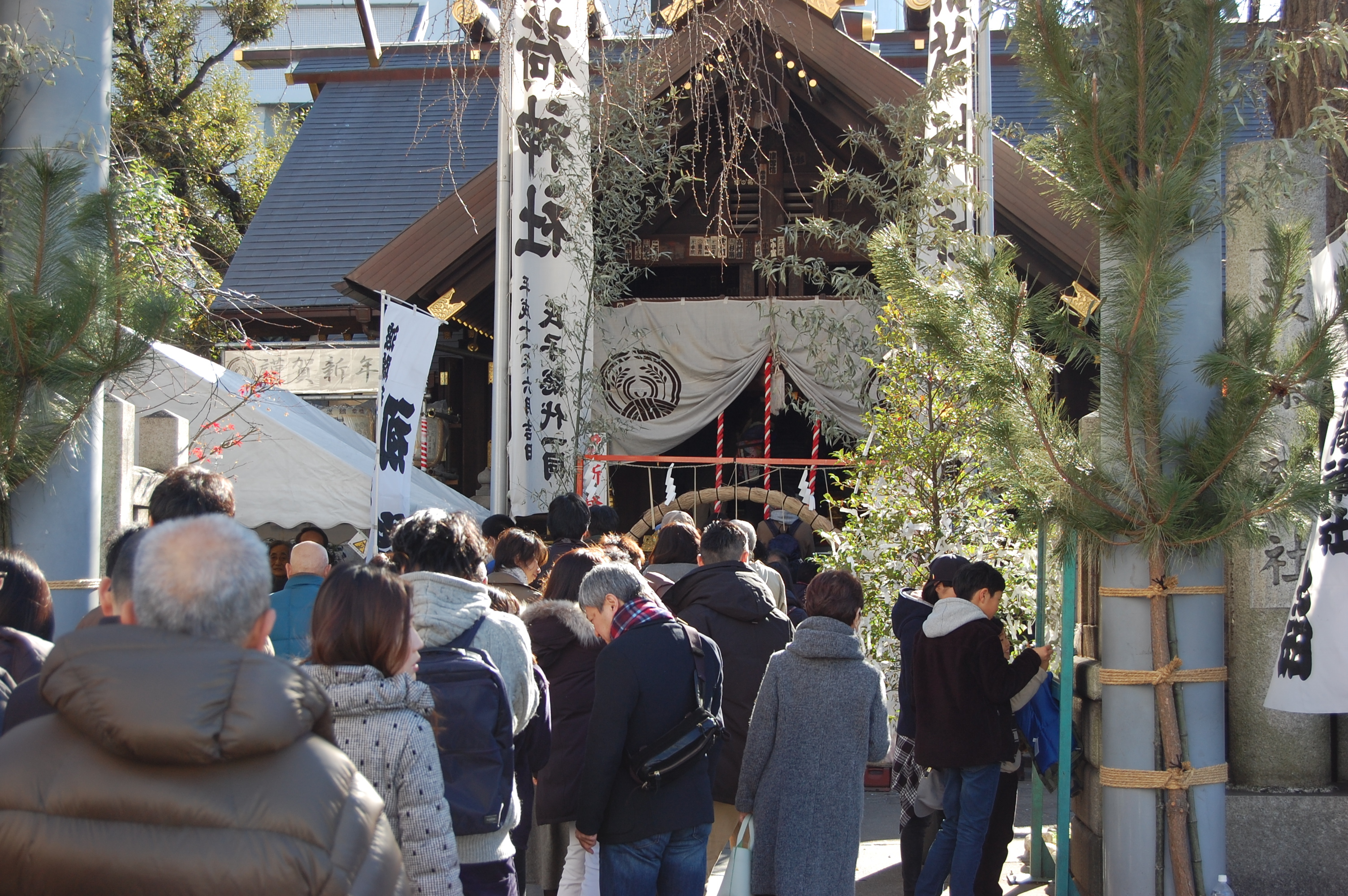
Hatsumōde (First Shrine Visit)
People visit shrines or temples to pray for good fortune.
-
Osechi Ryōri
Traditional New Year foods, each with symbolic meanings (health, prosperity, family happiness).

-
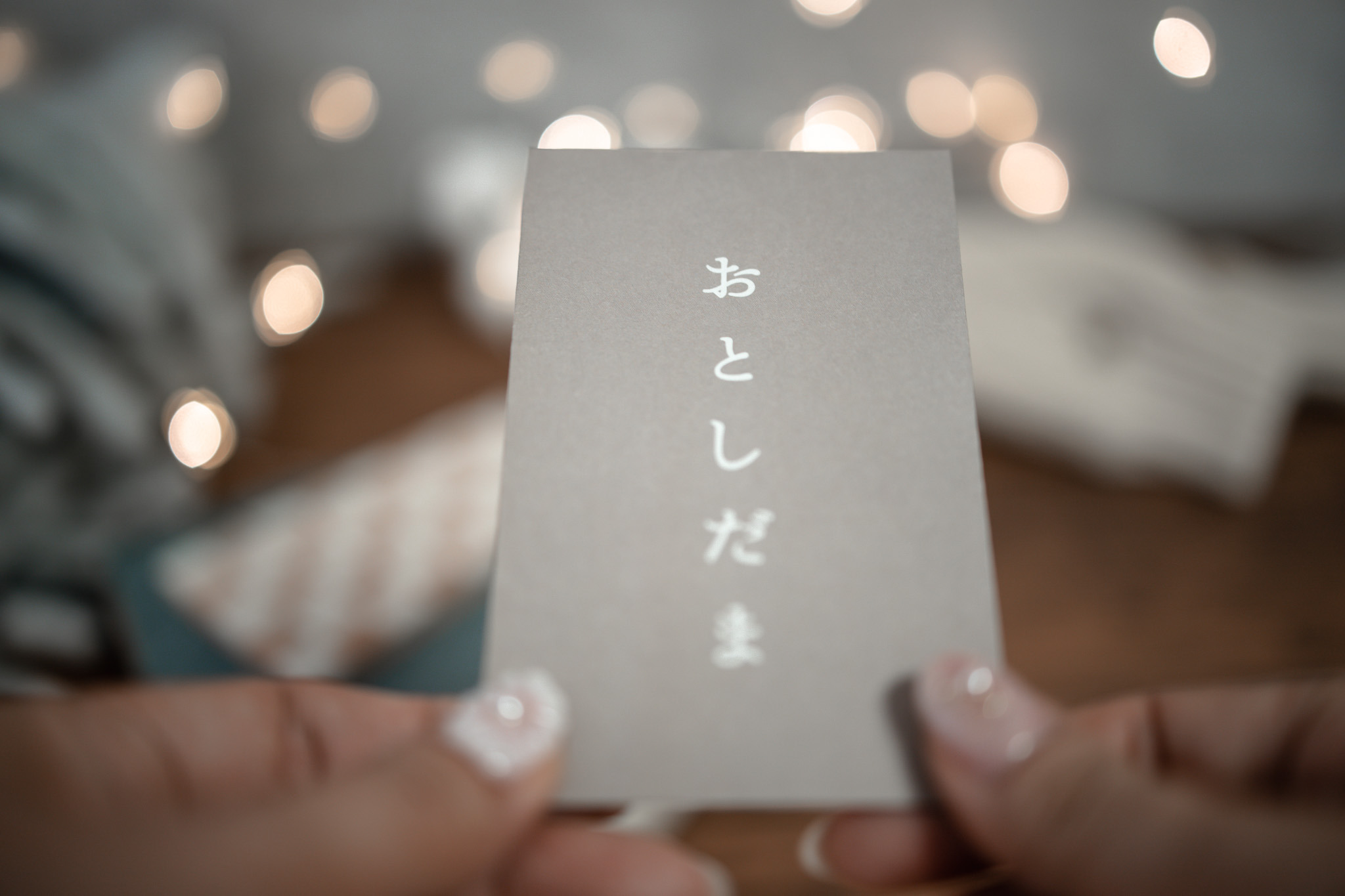
Otoshidama
Children receive money from adults--similar to a New Year's gift.
How to enjoy it
-
Visit a shrine and draw a fortune (omikuji おみくじ)
-
Try osechi(おせち)from a supermarket or department store
-
Watch the first sunrise of the year (Hatsuhinode 初日の出)
■ Tips for Foreign Residents
-
Many shops and clinics close from Dec 31 to Jan 3
-
Public transportation runs, but popular shrines get very crowded
-
If invited by Japanese friends or coworkers, don't hesitate to join
New Year in Japan is not about big parties, but about quiet reflection and meaningful traditions.
Living in Japan gives you the unique chance to experience this special season--take it at your own pace and enjoy it your way.
Recommended Hatsumode Spots in Tokyo
Here are some of the best temples and shrines in Tokyo to visit for Hatsumode (first shrine/temple visit of the New Year) -- perfect for photos, culture, and meaningful wishes.
Spot #1
Tokyo-daijingu Shrine -- A popular shrine known as "Tokyo's Ise Shrine." People visit for good luck, especially for relationships and fortune. During New Year's, they often distribute special zodiac plaques (ema).
https://www.tokyodaijingu.or.jp/english/
Spot #2
Asakusa Shrine -- Located near the famous Senso-ji Temple, this shrine offers a festive atmosphere with traditional New Year's food stalls and souvenirs nearby. Popular for both culture and photography.
https://www.asakusajinja.jp/english/index.html
Spot #3
Kanda Myoujin Shrine -- Historic shrine known for prosperity and business success. A great choice if you want to pray for work luck in the New Year.
https://www.kandamyoujin.or.jp/what/
Spot #4
Nezu Shrine -- A beautiful and traditional shrine, less crowded than other major spots. The vibrant architecture and torii gates make for great photos.
https://en.japantravel.com/places/tokyo/nezu-shrine/179
Spot #5
Yasukuni-jinja Shrine -- A large shrine with a peaceful mood, ideal for a meaningful Hatsumode visit.
https://www.yasukuni.or.jp/english/
Other Great Spots for Photos & Prayers
-
Yushima Tenjin Shrine -- Known for academic success prayers.
-
Atago Jinja -- A shrine for career and success luck.
-
Hie-jinja Shrine -- Calm and beautiful spot in the city.
-
Toyokawa-inari Tokyo-betsuin Temple -- Prayers for good fortune.
-
Hanazono Shrine -- In the heart of Shinjuku, perfect for an urban Hatsumode visit.
■Tips for Hatsumode
-
New Year's Day (Jan 1) is extremely busy -- arrive early in the morning to avoid long lines.
-
Bring coins for offerings and don't forget to try omikuji (fortune slips).
-
Many shrines and temples have limited-edition charms just for New Year's.
How to Enjoy Hatsumode Comfortably
-- Best Times to Avoid Crowds & Photo Tips --
Hatsumode (the first shrine or temple visit of the New Year) is a wonderful cultural experience, but popular locations in Tokyo can get extremely crowded.
With a bit of planning, you can enjoy a peaceful visit and take great photos at the same time.
Best Times to Avoid Crowds
Most crowded times
-
January 1: 10:00 AM - 5:00 PM
-
Daytime during the first three days of the year
-
Major shrines (Meiji Jingu, Asakusa, Kanda Myojin)
Less crowded & recommended times
-
Early morning on Jan 1 (6:00-8:00 AM)
→ Calm atmosphere, perfect lighting for photos
-
Late evening on Jan 1 (after 8:00 PM)
-
Morning on Jan 2 or Jan 3
-
After Jan 4 (very relaxed and comfortable)
Early morning on New Year's Day is especially recommended for foreign residents.
Timing and positioning make all the difference.
By avoiding peak hours, you can experience a quiet, authentic Japanese New Year--and capture memories you'll treasure.