







What to Do in Case of a Medical Emergency in Japan

A Practical Guide for Foreign Residents in Tokyo
Japan is known for its high-quality healthcare system, but for foreign residents, medical emergencies can be stressful due to language barriers and unfamiliar procedures.
This guide explains what to do if you suddenly become ill, how to decide whether to call an ambulance, where to find English-speaking emergency hospitals in Tokyo, and how to handle COVID-19 or influenza symptoms.
1. When It's an Emergency: Call 119 Immediately
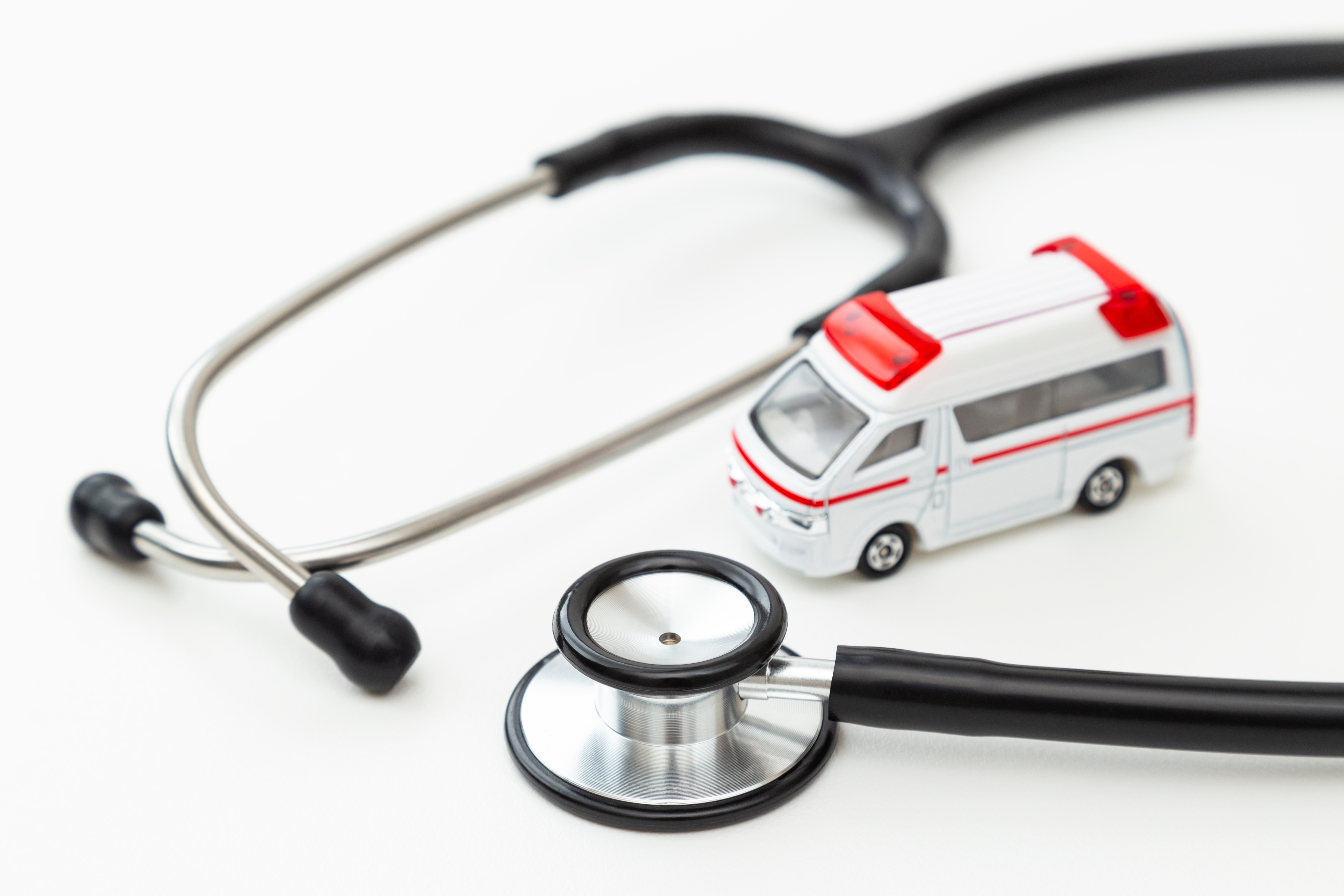
If you or someone around you experiences any of the following symptoms, do not hesitate to call an ambulance:
- ・Loss of consciousness or unresponsiveness
- ・Severe chest pain or sudden difficulty breathing
- ・Convulsions or paralysis on one side of the body
- ・Heavy bleeding or serious injuries
- ・High fever accompanied by confusion (especially in children or the elderly)
How to Call an Ambulance in Japan
- ・Dial: 119
- ・Ambulance services are free of charge
- ・English is available (although not always fluent)
Helpful English phrases
"This is a medical emergency."
"I need an ambulance."
"The patient is unconscious."
"The address is ..."
Even if your Japanese is limited, emergency operators are trained to assist.
2. Not Sure If You Need an Ambulance? Call #7119
If the situation feels serious but you are unsure whether an ambulance is necessary, Tokyo offers a medical consultation hotline.
Tokyo Emergency Medical Consultation Service (#7119)
By describing your symptoms, trained medical staff will advise whether you should:
- ・Call an ambulance immediately
- ・Go to a hospital as soon as possible
- ・Stay home and monitor your condition
- ・Available in Tokyo's 23 wards and Tama area
- ・English support is available (depending on time and availability)
This service is especially helpful for foreign residents who are unfamiliar with Japan's emergency system.
3. English-Friendly Emergency Hospitals in Tokyo
Below are examples of hospitals in Tokyo known for treating international patients and offering English support:
-
・St. Luke's International Hospital
One of the most foreigner-friendly hospitals in Japan, with strong emergency and inpatient care.
https://hospital.luke.ac.jp/eng/
-
・The University of Tokyo Hospital
Suitable for complex or specialized medical conditions.
https://www.h.u-tokyo.ac.jp/english/
-
・Keio University Hospital
Provides interpreter support and international patient services.
https://www.hosp.keio.ac.jp/en/
-
・Institute of Science Tokyo Hospital
https://www.tmd.ac.jp/medhospital/
⚠️ Please note:
・English availability may vary by department or time of day
・Always bring your passport, residence card, and health insurance card
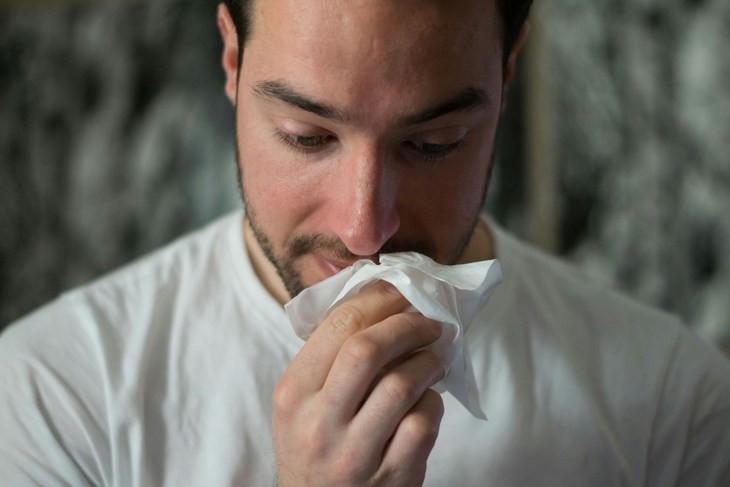
4. What to Do If You Suspect COVID-19 or Influenza
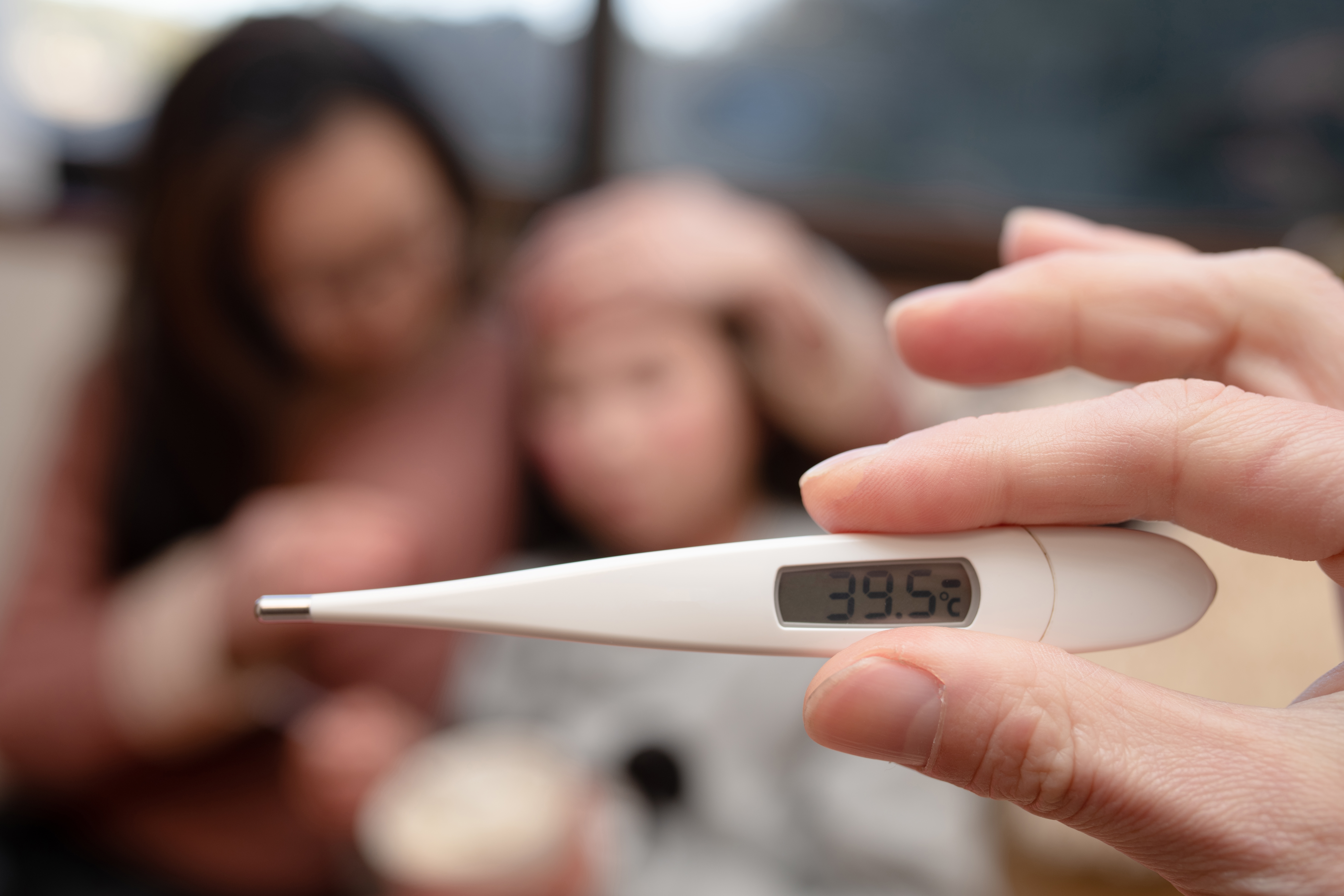
Common Symptoms
- ・Fever, sore throat, cough
- ・Extreme fatigue, body aches
- ・Loss of taste or smell (more common with COVID-19)
Standard Procedure in Japan
- 1.Do not visit a clinic or hospital without calling first
- 2.Contact a clinic that offers fever or infectious disease consultations
- 3.Follow their instructions regarding testing and appointments
Important Notes
- ・Many clinics require advance reservations
- ・Wearing a mask is strongly expected
- ・Over-the-counter antigen test kits are widely available at pharmacies
5. Medical Costs and Health Insurance
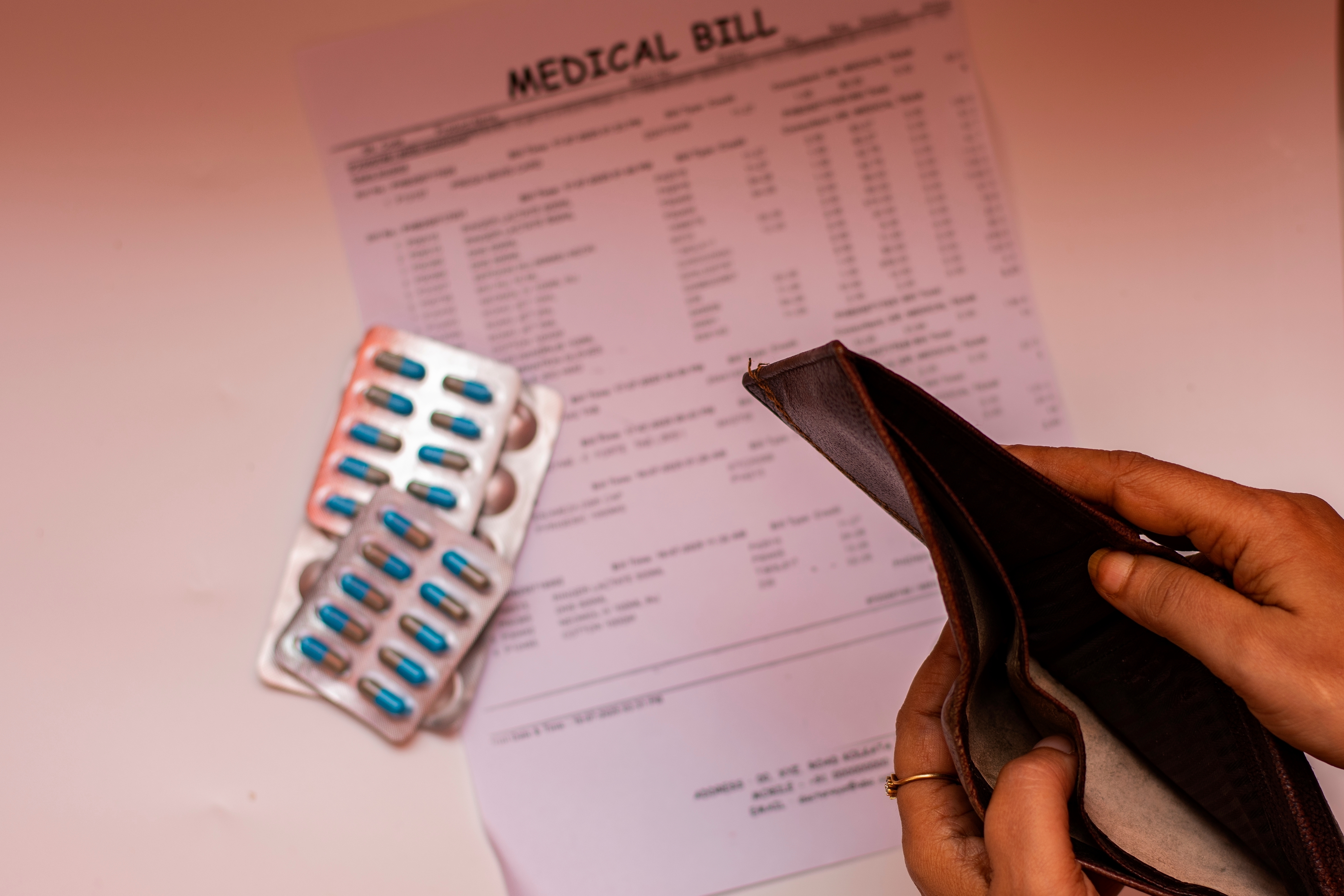
- ・If you are enrolled in Japan's National Health Insurance or Employee Health Insurance, you generally pay 30% of medical costs
- ・If you are not insured, you will be responsible for the full amount, which can be expensive
Even in emergencies, medical treatment is not free unless covered by insurance.
Long-term residents are strongly encouraged to enroll in Japan's health insurance system.
6. Prepare in Advance for Peace of Mind

To reduce stress during an emergency, consider preparing the following:
・Save this information on your phone:
- ・Your address (in English and Japanese)
- ・Medical conditions and allergies
- ・Emergency contact details
・Learn simple phrases like:
"I have health insurance in Japan."
・Identify at least one English-speaking clinic near your home or workplace
In Japan, emergency care follows a clear structure:
Call 119 → Consult #7119 if unsure → Visit an English-friendly hospital
Once you understand this flow, handling a medical emergency becomes far less intimidating.
Japan's healthcare system is reliable and well-organized -- being prepared is the key to feeling safe and confident.